B2B buyers today consume an average of 13 pieces of content before making a purchase decision. They’re researching independently, comparing options, and forming opinions about your brand long before they ever talk to your sales team. If your content isn’t showing up in that research journey, you’re invisible to potential customers.
It’s your opportunity to educate buyers, build trust, and position your company as the obvious choice when they’re ready to buy. In this guide, I’m breaking down everything you need to know about creating a B2B SaaS content marketing strategy that actually drives signups and revenue.
What Makes B2B SaaS Content Marketing Different?
B2B purchases involve several people from different departments, each with their own priorities. Your content needs to speak to the technical users who’ll actually use your software, the managers who care about productivity, and the executives who focus on ROI. According to recent research, 68% of B2B buyers now rely more heavily on content to educate themselves during the decision-making process.
Unlike physical products that stay the same, SaaS solutions are always updating with new features and improvements. Your content needs to keep pace, showing the latest value your product delivers.
You’re not just selling; you’re building long-term relationships. SaaS operates on a subscription model, which means customer retention is just as important as acquisition. Your content strategy needs to serve both prospects and existing customers.
Importance of Content Marketing for B2B SaaS Businesses
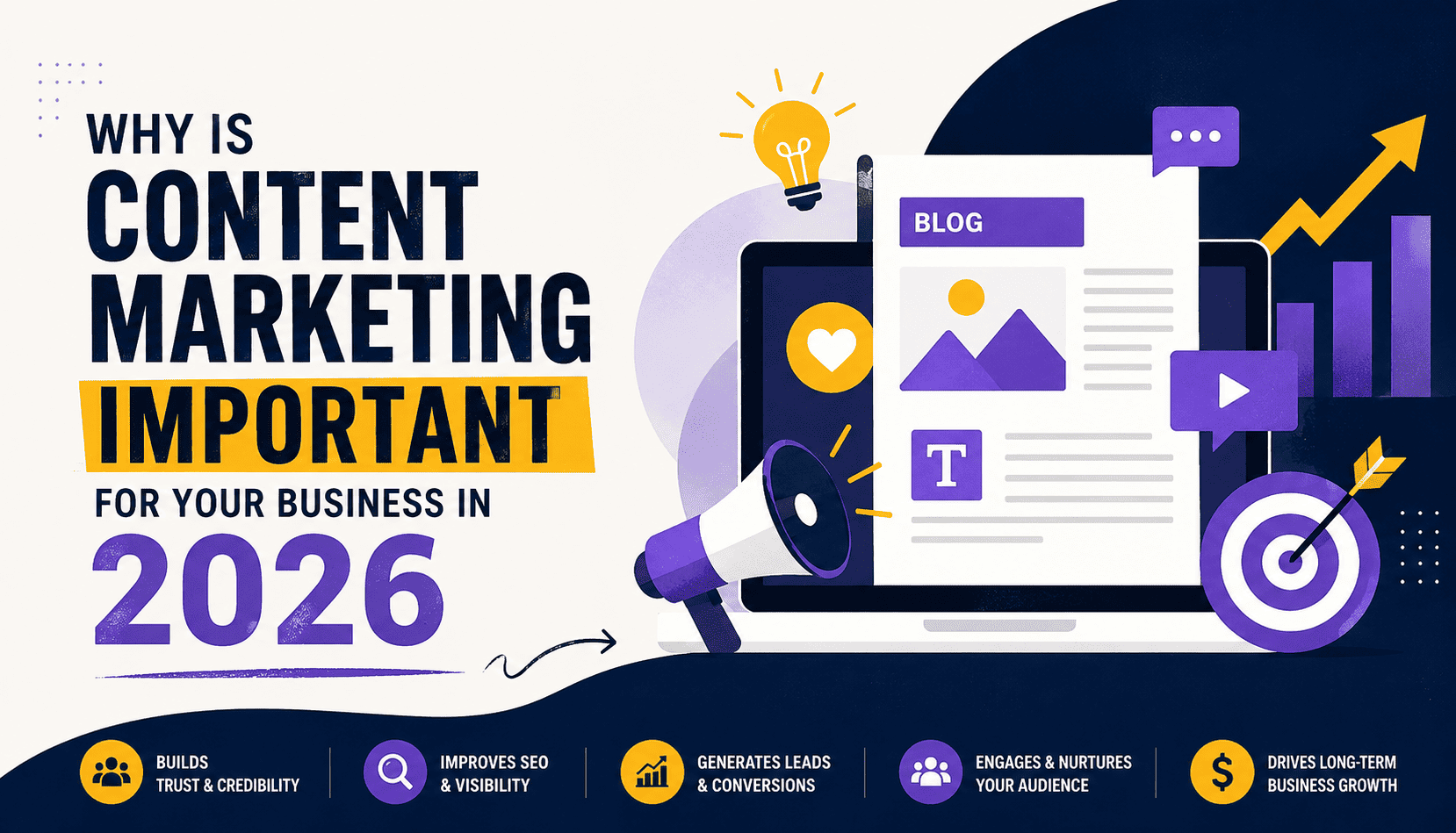
Let me give you some perspective on why content marketing deserves a significant part of your marketing budget.
It builds trust and authority
When prospects find your content while researching their problems, you’re positioning yourself as a helpful resource rather than just another vendor. This trust pays off later in the sales cycle. Research shows that brand audience members who are already familiar with it are more than twice as likely to win their business.
It educates buyers on their terms
Modern B2B buyers don’t want to talk to sales until they’re ready. They want to research independently, compare options, and understand solutions at their own pace. Content marketing gives them that freedom while keeping you top of mind.
It generates compounding returns
Unlike paid ads that stop working when you stop paying, good content continues attracting visitors and generating leads for months or even years. High-quality, SEO-optimised content becomes a long-term lead generation asset that compounds over time.
It shortens sales cycles
When prospects arrive already educated about their problem and your solution, your sales team can focus on answering specific questions and closing deals rather than starting from scratch.
Recent industry analysis shows that content marketing drives significantly higher lead growth for companies that invest in it compared to those that don’t.
Building Your B2B SaaS Content Marketing Strategy
A successful strategy requires more than just publishing blog posts whenever you have time. Here’s how to build a framework that drives real results.
Step 1: Understand Your Audience Deeply
You can’t create valuable content without knowing who you’re creating it for. This goes beyond basic demographics like job titles and company size.
Interview at least 10-15 customers to understand their challenges, how they researched solutions, and what information helped them make decisions. Ask your sales team what questions prospects ask repeatedly; those questions are content opportunities.
Include their role, goals, pain points, how they consume information, and what content formats they prefer. According to industry research, 79% of B2B content marketers believe understanding their audience is the key to successful content marketing.
See which pages they visit, how long they stay, and where they drop off. This data reveals what content resonates and where you have gaps.
Step 2: Map Content to the Buyer Journey
Different content serves different purposes at different stages. Your strategy needs to address the full journey.
Top of funnel (awareness stage)
Create educational content like guides, industry insights, and how-to articles that address broad challenges. This content has high search volume but lower buying intent. The goal is building awareness and starting relationships.
Middle of funnel (consideration stage)
Develop comparison content, use case pages, and detailed guides that help them evaluate options. This content should demonstrate your expertise while subtly highlighting your approach.
Bottom of funnel (decision stage)
According to recent data, case studies showcasing real results are particularly powerful, 81% of B2B SaaS buyers consult third-party reviews when vetting software, and over half start their research by consulting reviews.
Here’s the key insight from successful B2B SaaS content marketing agencies: start with bottom-of-funnel content first. These pieces have lower search volume but much higher conversion rates. Once you’ve captured ready-to-buy traffic, expand to middle and top of funnel content.
Step 3: Prioritise SEO and Keyword Research
Start with keyword research to identify what your target audience searches for. Use tools like Ahrefs, SEMrush, or Google Keyword Planner to find relevant terms. Look for a mix of high-volume head terms and more specific long-tail keywords that indicate buying intent.
Someone searching for general information needs different content than someone searching for specific product comparisons. Match your content to what searchers actually want to find.
These target keywords have high commercial intent and can be some of your most valuable content if you can rank for the right terms. For example, if you sell visitor identification software, create a use case page targeting searches like “how to identify website visitors.”
Create comprehensive pillar pages (3,000+ words) covering major topics, then build supporting content that links back to those pillars. This structure signals to search engines that you’re an authority on these topics.
Step 4: Create Product-Led Content
Product-led content solves a real problem, teaches something valuable, and naturally includes your product as part of the solution. It’s not a sales pitch disguised as content; it’s genuinely helpful information that happens to showcase how your product fits into the workflow.
Companies like Webflow, Notion, and Zapier excel at this approach. They create practical, expertise-driven content across their blogs, knowledge bases, and social channels that demonstrates their product’s value through real use cases.
Step 5: Diversify Your Content Formats
Some love in-depth articles, while others prefer quick videos or visual infographics.
Consider creating:
- Blog posts and long-form guides for detailed explanations
- Video tutorials and demos for visual learners
- Webinars for in-depth education and engagement
- Case studies for social proof
- Interactive tools and calculators that provide immediate value
- Infographics for quick, shareable insights
Recent trends show video content continues dominating, with short-form video gaining particular traction. Additionally, 72% of B2B marketers now use AI tools for tasks like brainstorming topics and outlining content, making it easier to experiment with different formats.
Step 6: Focus on Quality Over Quantity
According to industry experts, the 80-20 rule applies here: 80% of your content should follow proven approaches that convert search intent, while 20% should bring new perspectives nobody else discusses yet. This balance helps you rank well while differentiating your brand.
B2B buyers are sophisticated; they can tell when content lacks real value. Most business decision-makers say that less than half of the thought leadership content they consume actually offers valuable insights.
Step 7: Build a Distribution Strategy
You need a plan to get it in front of your audience.
- Organic search should be your foundation. It provides steady, compounding traffic without ongoing ad spend. However, it takes time to build momentum.
- Email marketing keeps your audience engaged and nurtures leads through the buyer journey. Segment your email list to deliver relevant content to different audience groups.
- Social media helps you reach prospects where they already spend time. LinkedIn is particularly effective for B2B SaaS, but don’t ignore other platforms where your audience is active.
- Partnerships and guest posting expand your reach by tapping into established audiences in your industry.
The same blog post can become a LinkedIn video snippet, a Twitter thread, an email newsletter, and a guest post, each optimised for that platform’s audience.
Step 8: Measure What Matters
For top-of-funnel content, track organic traffic, time on page, and engagement. For middle-funnel content, monitor lead generation and email signups. For bottom-funnel content, focus on demo requests, trial signups, and pipeline influence.
According to B2B SaaS content marketing agencies, the best measure of success is whether content drives qualified leads and contributes to revenue growth.
Run regular content audits to identify what’s working and what isn’t. Double down on high-performing topics and formats while eliminating or updating underperforming content.
Working with a B2B SaaS Content Marketing Agency or Freelancer
The best B2B SaaS content marketing agencies start with research, not production. They invest time understanding your business, audience, and competitive landscape before creating anything. They should be able to articulate a clear strategy explaining which content they’ll create, why, and how it supports your business goals.
Look for agencies or freelancers with proven SaaS experience. Generic content agencies or freelancers often don’t understand the unique dynamics of B2B SaaS marketing, the long sales cycles, multiple decision-makers, subscription model, and technical complexity.
Good agencies track metrics that matter to your business, not just content metrics. They should be able to show how their content contributes to the pipeline and revenue.
Read More: Complete High-Intent Keyword Strategy Guide (2026 Update)
Read More: B2B Content Research Methodology: Your 2026 Complete Guide
Your Next Steps
B2B SaaS content marketing works when it’s built on a solid strategy, deep audience understanding, and consistent execution. You don’t need to do everything at once; start with the fundamentals.
Begin by understanding your audience and mapping their buyer journey. Then prioritise bottom-of-funnel content that captures ready-to-buy traffic. Once you’re converting that traffic effectively, expand to middle and top-of-funnel content to build awareness and fill your pipeline.
Unlike paid ads that deliver immediate results, content builds momentum over time. Companies that commit to consistent, high-quality content creation over months and years see compounding returns that far exceed short-term tactics.
The question isn’t whether you should invest in B2B SaaS content marketing, it’s whether you can afford not to when your competitors are already building their content engines. Start today, stay consistent, and watch your content become one of your most valuable growth assets.